

Are you waking up at 2-3am at night, and struggle to fall back asleep? There can be many reasons for waking up at night, but one of the most common reasons can be linked to your blood sugar levels at night.
Sleep and blood sugar are more connected than most people realise. When your glucose regulation is off—whether from stress, meal timing, blood sugar spikes, or insulin resistance—your body often can’t fully enter deep, restorative sleep. The result is a familiar cycle: you fall asleep, but you wake up too early, toss and turn at night, or feel “wired but tired” the next day. And that poor sleep doesn’t just feel bad—it can further worsen blood sugar control the following day by increasing stress hormones and reducing your body’s ability to manage glucose.
What happens to your blood sugar levels at night?
At night, your blood sugar usually drops compared to daytime because you’re not eating, and your body shifts to using stored fuel to keep your brain and muscles supplied. In a healthy system, this transition is smooth: insulin levels fall, your liver releases a steady amount of glucose (often referred to as the overnight glucose output), and you maintain stable energy without frequent spikes. But when blood sugar regulation is impaired—such as with insulin resistance, high evening stress (cortisol), or late-night meals—your body may struggle to keep glucose steady. That can lead to nighttime rises, frequent awakenings, and a “rollercoaster” effect where glucose spikes and then crashes, making it harder to stay asleep and easier to wake up feeling tired or hungry.

DAY TIME BLOOD SUGAR CONTROL
So how can you manage your blood sugar during the day?
Balancing your blood sugar during the day starts with keeping meals and snacks steady enough that your body doesn’t have to constantly spike insulin to catch up. Make sure that each of your meals and snacks contain a combination of:
- Protein – skinless poultry, fatty fish (like salmon), eggs, legumes (beans and lentils), soy products (tofu and tempeh)
- Fiber-rich carbohydrates – legumes like lentils and black beans, whole grains such as oats and quinoa, and fiber-dense produce like berries and sweet potatoes
- Healthy fats – plant-based oils, fatty fish, nuts, and seeds
This will slow digestion and reduce rapid glucose swings. Try to avoid “naked carbs” (carbs without protein or fiber), and pay attention to portion sizes—especially with refined grains, sugary drinks, and desserts. Spacing your meals every 3–4 hours can also help prevent long gaps that lead to hunger-driven overindulging later.
Also, movement matters: even a 10–20 minute walk after meals can improve glucose control by helping muscles pull glucose from the bloodstream.

NIGHT TIME BLOOD SUGAR CONTROL
Blood sugar control during the day has a direct impact on your blood sugar levels at night. It is as simple as what you eat during the day will catch up with you at night.
- Eat a well-balanced diet: As mentioned before, this means your diet should include a balanced amount of protein, carbohydrates, and fats. Having too many carbohydrates, for example, can cause spikes in your blood sugar, whereas protein and fats without carbohydrates might cause low blood sugar. A balance of carbohydrates, proteins, and fats in your diet can help slow the absorption of carbohydrates and level out your blood sugar overnight.
- Choose fiber-rich foods: Choose whole grains, fruits, and vegetables with high fiber content. Fiber slows down digestion, preventing rapid spikes in blood sugar.
- Watch the timing of your meals: Avoid large meals close to bedtime, as this can lead to indigestion and fluctuations in blood sugar levels that may disrupt sleep.
- Support a calmer nervous system: High stress hormones can raise glucose at night—through practices like dimming lights, reducing screen time, and using a consistent wind-down routine.
- Hydration and electrolytes can help your body function more steadily overnight so make sure to drink enough water during the day.
What about those that eat their dinner very early?
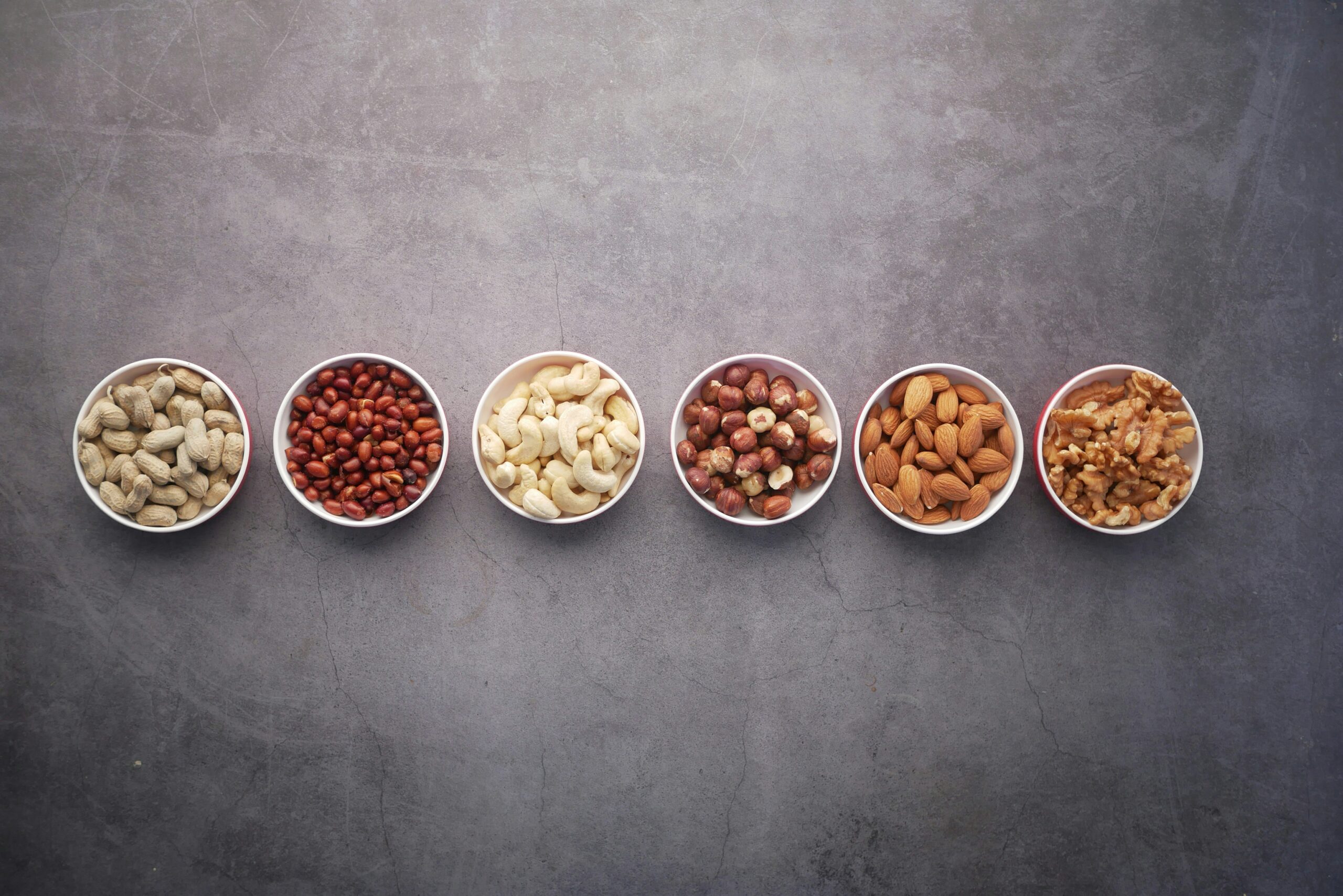
People who eat their evening meal early, or those who struggle to eat enough across the day, may also benefit from a bedtime snack that is high in protein and fat, and low in carbs. Such as fruit and yoghurt, a chia seed pudding with fruit, nuts and coconut milk, leftover chicken or meat, or nut butter with an apple.
Test don’t guess!
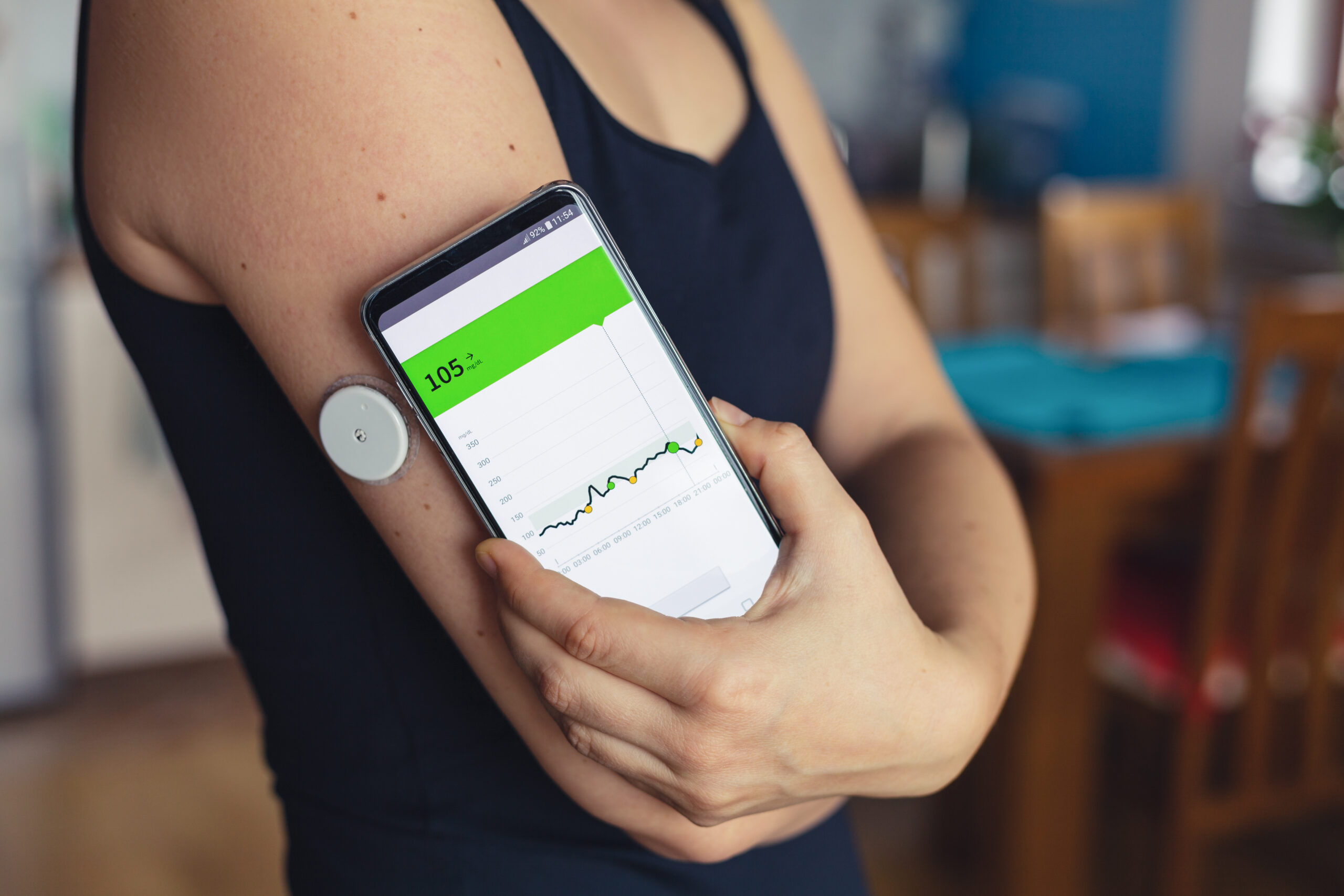
Continuous glucose monitors (CGMs) radically improve overnight blood sugar control by transforming a dark, unmonitored window of time into a stream of real-time health data. This device can give you information on how your blood sugar levels are doing overnight, which can give you insight on what changes need to be made during the day. If you are interested in trying CGM, make an appointment at our clinic here.
Better sleep and better blood sugar control aren’t separate goals—they’re two sides of the same system. When your glucose regulation is steady through the day, and your body can transition smoothly at night, sleep becomes deeper, more continuous, and restorative. With a few targeted changes, you can help your body sleep through the night and stabilise blood sugar where it matters most: while you’re resting.
Read more about sleep and blood sugar control here:
Written by:
Vera Coetsee, Certified Holistic Nutritionist, C.H.N
References:
Effects of sleep manipulation on markers of insulin sensitivity: A systematic review and meta-analysis of randomized controlled trials – https://www.sciencedirect.com/science/article/pii/S1087079222000077?utm_source=openai
The Effects of Postprandial Walking on the Glucose Response after Meals with Different Characteristics – https://pubmed.ncbi.nlm.nih.gov/35268055/