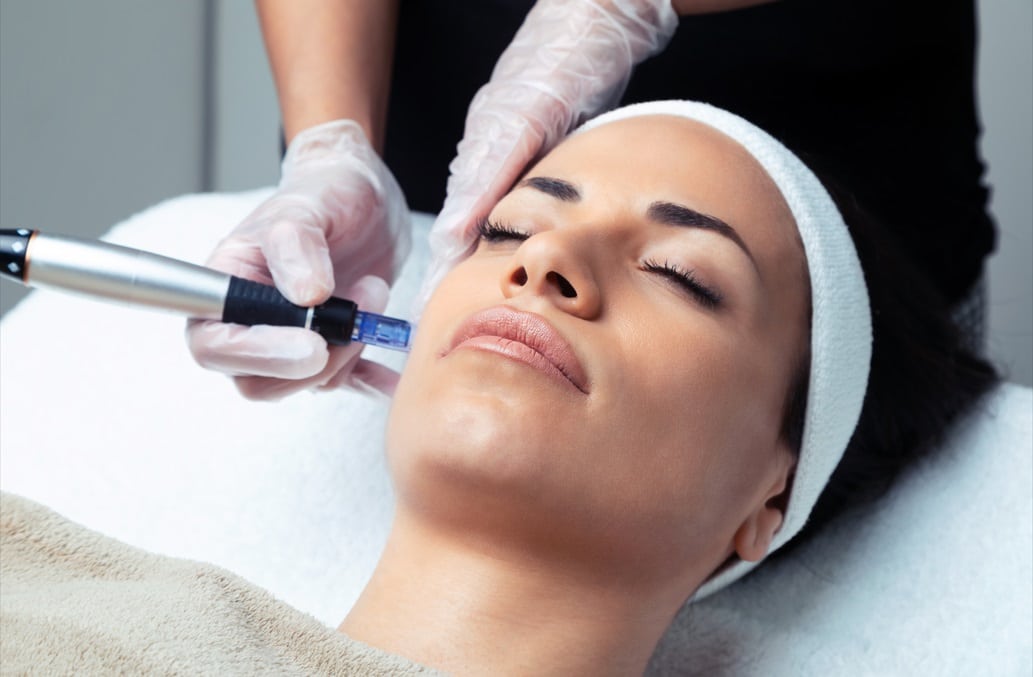
Exosome therapy has become one of the most talked-about non-surgical skin treatments for people seeking a more youthful look especially when the goal is collagen boosting and improved skin firmness. By using micro-scale cell messengers designed to support the skin’s natural repair and renewal processes, exosome treatments are often marketed as a way to enhance skin texture, hydration, and elasticity over time.
But what exactly are exosomes and how can they help boost collagen? Let’s look into the science a bit more and how it can work for collagen and firmness.
What are exosomes?
Exosomes are tiny cell-derived particles often described as microscopic “messenger” packages that play a role in how cells communicate with each other. Inside the body, cells release exosomes to carry signaling molecules such as proteins and lipids (and sometimes genetic material) to nearby or even distant cells. This communication helps coordinate processes like tissue repair, immune regulation, and inflammation control.
In skin health, exosomes are often discussed for their potential to support the way skin cells behave and respond over time. For example, they may influence fibroblasts (the cells responsible for producing collagen and other structural components), which is why exosome therapy is frequently marketed as a collagen-boosting and firming treatment. The exact way exosomes act in skin is still being studied, and results can vary depending on the source of the product, how it’s delivered (topical, microneedling, or injections), and the consistency of the treatment plan.
How can exosomes boost collagen?
Collagen is a structural protein that keeps skin resilient and “plump.” As we age (and with sun exposure, stress, and genetics), collagen production slows and existing collagen breaks down faster than the body can replace it.
Exosomes are believed to support collagen because they can influence the skin’s signaling pathways, especially the activity of fibroblasts, the cells responsible for producing collagen, elastin, and other components that give skin its structure. Exosomes act like “biological messages” that help regulate repair and renewal processes, which may improve how efficiently the skin rebuilds supportive tissue over time.
Exosome therapy support the skin’s collagen cycle by:
Encouraging Cellular Signaling
Exosomes may carry signals that influence fibroblasts (the skin cells responsible for collagen production). If fibroblasts become more active or better regulated, collagen maintenance can potentially improve.
Modulating Inflammation
Chronic inflammation can degrade skin structure. Exosomes help create a more favorable inflammatory environment, indirectly supporting healthier collagen turnover.
Improving Skin Environment
Many people report improvements that are broader than collagen alone, such as improved tone, smoother texture, and better hydration.

Can exosome therapy improve skin firmness?
Firmness is influenced by multiple factors, including collagen density, elastin health, hydration, and overall skin remodeling.
Exosome therapy improves skin firmness by supporting the skin’s natural remodeling process, particularly the balance between collagen production and collagen breakdown. Because firmness is influenced by factors like collagen density, elasticity, hydration, and overall skin texture, proponents suggest that exosomes can help create conditions that encourage healthier repair over time. Many people notice gradual changes such as smoother texture, improved tone, and a more “refreshed” or subtly lifted look rather than dramatic tightening. However, the degree of improvement can vary widely based on the product quality, how the treatment is delivered (topical, microneedling, or injectable), and how consistently it’s performed.
Because exosome therapy is usually positioned as a “tissue remodeling” approach, it’s often associated with:
- Reduced appearance of sagging
- More “lifted” look (subtle rather than dramatic)
- Smoother skin texture
- Improved elasticity
How can you deliver exosomes?
Exosome therapy can be delivered in different ways, including:
- Topical application (serums/creams containing exosome-related ingredients)
- Microneedling combined with exosome delivery
- Injections (more intensive, higher stakes, higher need for safety screening)
Ultimately, exosome therapy is best viewed as a gradual, skin-supportive treatment aimed at improving collagen-related skin quality and the appearance of firmness over time. While many people report noticeable glow, smoother texture, and subtle tightening, results depend heavily on factors like product sourcing, delivery method, treatment consistency, and most importantly choosing a knowledgeable, safety-focused provider.
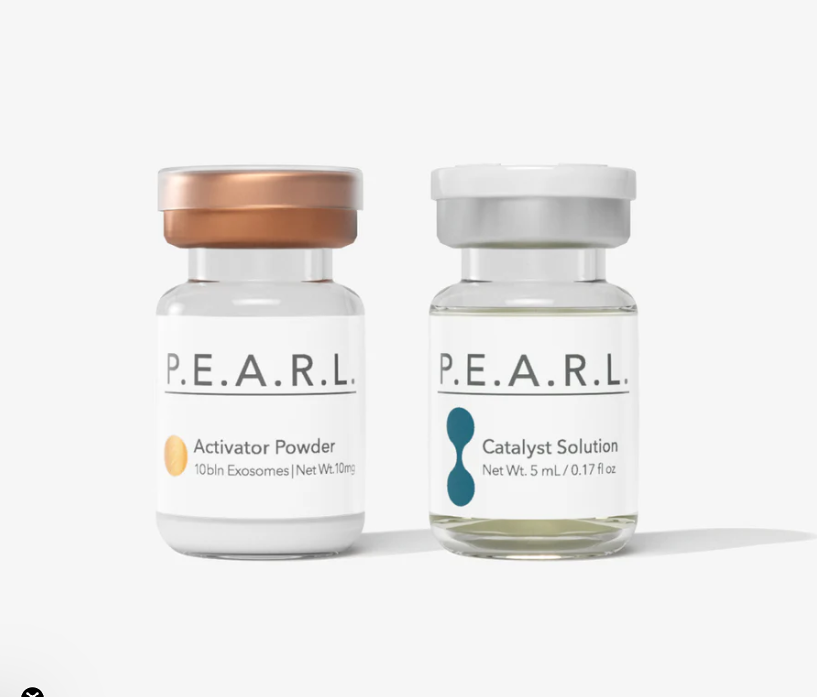
Introducing our NEW therapy AnteAGE P.E.A.R.L. exosome
Looking to try exosome therapy? We are excited to announce that AnteAGE P.E.A.R.L. exosome is now available at Restore.
AnteAGE P.E.A.R.L. exosome therapy is designed to support skin rejuvenation by delivering exosome-based signaling to help encourage healthier cellular communication and skin renewal. Developed by the foremost experts in Exosome and Biosome technology, P.E.A.R.L. helps to support a more youthful-looking appearance. By boosting bioavailability, this product can help reignites collagen, improves texture and strengthens the skin’s barrier, giving way to visibly smoother, more resilient, radiant-looking skin.
If you’re looking for a more refreshed complexion, smoother texture, and gradual improvement over time, this treatment may be an exciting option to explore with our team where we’ll help you determine whether it’s the right fit for your goals. If you are interested to learn more about our microneedling treatments using AnteAGE P.E.A.R.L. exosome therapy, contact us here.
Read more about Regenerative Aesthetics here:
Written by:
Vera Coetsee, Certified Holistic Nutritionist, C.H.N
References:
Mechanisms of skin wound healing regulated by fibroblast-derived exosomes https://pmc.ncbi.nlm.nih.gov/articles/PMC12664984/?utm_source=openai
Therapeutic application of mesenchymal stem cell-derived exosomes in skin wound healing https://www.frontiersin.org/journals/bioengineering-and-biotechnology/articles/10.3389/fbioe.2024.1428793/full?utm_source=openai
What’s the Lowdown on Exosomes? https://www.healthline.com/health/exosomes?utm_source=openai