
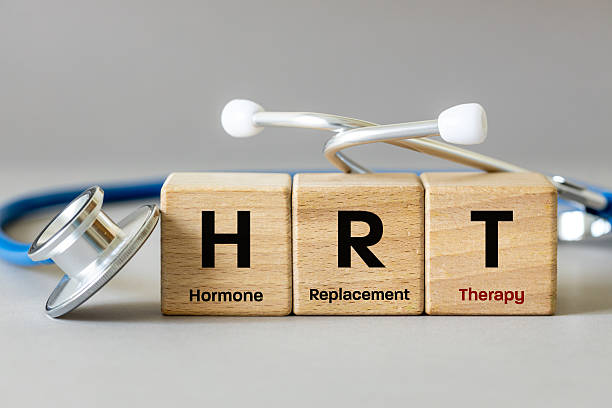
Hormonal changes are a natural part of aging, but they can significantly impact your quality of life. Whether you’re experiencing menopause, perimenopause, low testosterone, or other hormone-related concerns, hormone replacement therapy (HRT) may help restore hormonal balance and improve your overall well-being.
One of the most common questions people ask is, “What kind of doctor should I see for HRT in Hong Kong?” The answer depends on your symptoms, medical history, and health goals. Choosing the right healthcare provider ensures you receive a personalized treatment plan that addresses the root cause of your hormonal imbalance rather than simply managing symptoms.
In this guide, we’ll explore the different types of doctors who provide HRT, what to expect during your consultation, and how functional medicine and integrative medicine can support long-term hormonal health.
What Is Hormone Replacement Therapy (HRT)?
Hormone replacement therapy is a medical treatment designed to restore hormone levels when the body no longer produces enough hormones naturally. It is commonly used to treat symptoms associated with menopause in women, low testosterone in men, and other hormone deficiencies.
HRT may help relieve:
- Hot flashes
- Night sweats
- Mood swings
- Fatigue
- Low libido
- Weight gain
- Brain fog
- Sleep disturbances
- Reduced muscle strength
- Vaginal dryness
Many of these symptoms are linked to hormonal imbalance and can affect your physical, emotional, and mental health if left untreated.
Recognizing Hormonal Imbalance Symptoms
Hormones regulate nearly every function in the body. When hormone levels become too high or too low, a wide range of symptoms can develop.
Common hormonal imbalance symptoms include:
- Persistent fatigue
- Difficulty sleeping
- Mood changes
- Anxiety
- Depression
- Weight fluctuations
- Hair thinning
- Low energy
- Reduced concentration
- Decreased sex drive
- Irregular menstrual cycles
- Muscle weakness
Because these symptoms may also be associated with other health conditions, proper medical evaluation is essential before starting treatment.
Which Doctor Should You See for HRT?
Several healthcare professionals can prescribe hormone replacement therapy, depending on your needs.
Functional Medicine Doctor
A Functional Medicine Doctor is often an excellent choice for patients seeking a personalized approach to hormone health. Rather than treating symptoms alone, they investigate the underlying causes of hormone imbalance, including nutrition, stress, gut health, inflammation, and lifestyle factors.
A Functional Medicine Doctor may recommend comprehensive laboratory testing and create an individualized treatment plan that combines medical therapy with lifestyle modifications.
Longevity Doctor
A Longevity Doctor focuses on optimizing long-term health, healthy aging, and disease prevention. Many longevity specialists incorporate hormone replacement therapy as part of a broader wellness strategy to improve energy, cognitive function, muscle health, metabolism, and overall vitality.
This approach is particularly beneficial for individuals interested in maintaining optimal health as they age.
Family Doctor or General Practitioner
A family doctor or general practitioner is often the first healthcare provider people consult when experiencing hormone-related symptoms.
They can:
- Evaluate your symptoms
- Order initial blood tests
- Identify possible hormone deficiencies
- Refer you to specialists when necessary
For many patients, this serves as the first step toward receiving appropriate HRT care.
Integrative Medicine Practitioner
Many patients choose an integrative medicine provider because they combine conventional medical treatments with evidence-informed complementary therapies.
Instead of focusing solely on hormone levels, integrative medicine considers multiple aspects of health, including:
- Nutrition
- Exercise
- Stress management
- Sleep quality
- Mental wellness
- Preventive healthcare
This whole-person approach often leads to better long-term outcomes.
The Importance of Holistic Care
Successful hormone therapy goes beyond medication. Many patients benefit from holistic care, which addresses the physical, emotional, and lifestyle factors that contribute to hormonal health.
A holistic health approach may include:
- Personalized nutrition
- Exercise recommendations
- Stress reduction
- Sleep improvement
- Weight management
- Lifestyle coaching
When combined with hormone replacement therapy, these strategies help support lasting wellness.
How Functional Medicine Supports Hormone Health
One of the greatest advantages of functional medicine is its focus on identifying why hormone imbalances develop.
Instead of simply prescribing medication, a Functional Medicine Doctor may evaluate:
- Nutritional deficiencies
- Chronic inflammation
- Stress hormones
- Gut health
- Thyroid function
- Lifestyle habits
- Environmental factors
This comprehensive evaluation allows for highly personalized treatment plans that target the root cause of hormone dysfunction.
Can Hormonal Imbalance Be Treated Naturally?
Many people ask how to cure hormonal imbalance naturally. While some hormone deficiencies require prescription treatment, lifestyle improvements can significantly support hormone balance.
These may include:
- Eating nutrient-rich foods
- Regular physical activity
- Managing stress
- Improving sleep quality
- Maintaining a healthy weight
- Supporting digestive health
Some patients also work with a naturopathic doctor or naturopathic doctor alongside their primary healthcare provider to complement conventional care.
The Role of Gut Health in Hormone Balance
Many people don’t realize that gut health plays an important role in hormone regulation.
An unhealthy digestive system may affect:
- Estrogen metabolism
- Nutrient absorption
- Immune function
- Inflammation
- Energy production
Learning how to improve gut health through balanced nutrition and healthy lifestyle habits may support better hormonal function and overall well-being.
Health Screening Before Starting HRT
Before beginning hormone replacement therapy, your doctor will usually recommend a comprehensive evaluation.
This may include:
- Medical history review
- Physical examination
- Blood tests
- Hormone level assessment
- Thyroid evaluation
- Cardiovascular risk assessment
Many clinics also recommend a health screening, health assessment, or comprehensive health screening to ensure HRT is both safe and appropriate.
Depending on your age and medical history, your provider may also suggest a health check, annual health check, medical checkup, body check, or a body check package to evaluate your overall health before treatment.
Who Is a Good Candidate for HRT?
You may benefit from hormone replacement therapy if you experience:
- Moderate to severe menopause symptoms
- Low testosterone
- Premature menopause
- Persistent fatigue caused by hormone deficiency
- Reduced quality of life due to hormone imbalance
The right treatment depends on your symptoms, laboratory results, personal health history, and long-term wellness goals.
Choosing the Right Doctor in Hong Kong
When selecting an HRT provider, look for a doctor who offers:
- Experience with hormone replacement therapy
- Personalized treatment plans
- Comprehensive hormone testing
- Ongoing monitoring
- Lifestyle and nutritional guidance
- A focus on functional medicine or integrative medicine
- Patient-centered holistic care
Choosing a practitioner who takes time to understand your complete health picture often leads to better outcomes than treating symptoms alone.
Final Thoughts
If you’re wondering what kind of doctor you should see for hormone replacement therapy in Hong Kong, the best choice is often one who combines medical expertise with a comprehensive, patient-centered approach. A Functional Medicine Doctor, Longevity Doctor, family doctor, or general practitioner can help evaluate your symptoms and determine whether HRT is appropriate for you.
By combining functional medicine, integrative medicine, and holistic health principles, healthcare providers can develop personalized treatment plans that not only address hormonal imbalance but also improve your overall health and quality of life.
If you’ve been experiencing persistent hormonal imbalance symptoms, don’t ignore them. A professional consultation, along with a thorough health assessment and appropriate health screening, can help you regain balance, restore energy, and support healthy aging with confidence.