
Are you struggling with brain fog, forgetfulness, or trouble concentrating? These symptoms can be frustrating, especially when they begin to affect your work, mood, and quality of life. In functional medicine, brain fog testing and treatment take a root-cause approach to identify possible drivers such as inflammation, hormone imbalance, nutrient deficiencies, blood sugar instability, poor sleep, gut health issues, and chronic stress. By uncovering what may be affecting brain function, this approach can help create a personalised plan to support better energy, sharper thinking, and long-term brain health.
Why am I experiencing brain fog and forgetfulness?
Brain fog and forgetfulness are common signs that something in the body may be affecting cognitive function. Poor sleep, chronic stress, hormone imbalances, thyroid dysfunction, nutrient deficiencies, blood sugar instability, and inflammation can all influence memory, focus, and mental clarity. At Restore, these symptoms are explored through a root-cause approach so the underlying contributors can be identified and addressed, helping support clearer thinking, better memory, and long-term brain health.
How can I test my brain health?
Brain health testing can help uncover the factors that may be affecting memory, focus, energy, and overall cognitive performance. This may include looking at biomarkers related to inflammation, nutrient status, blood sugar balance, hormone health, sleep, and other root causes that can contribute to brain fog or reduced mental clarity. By identifying these patterns early, brain health testing supports a more personalised approach to care and helps guide the most appropriate treatment strategy.
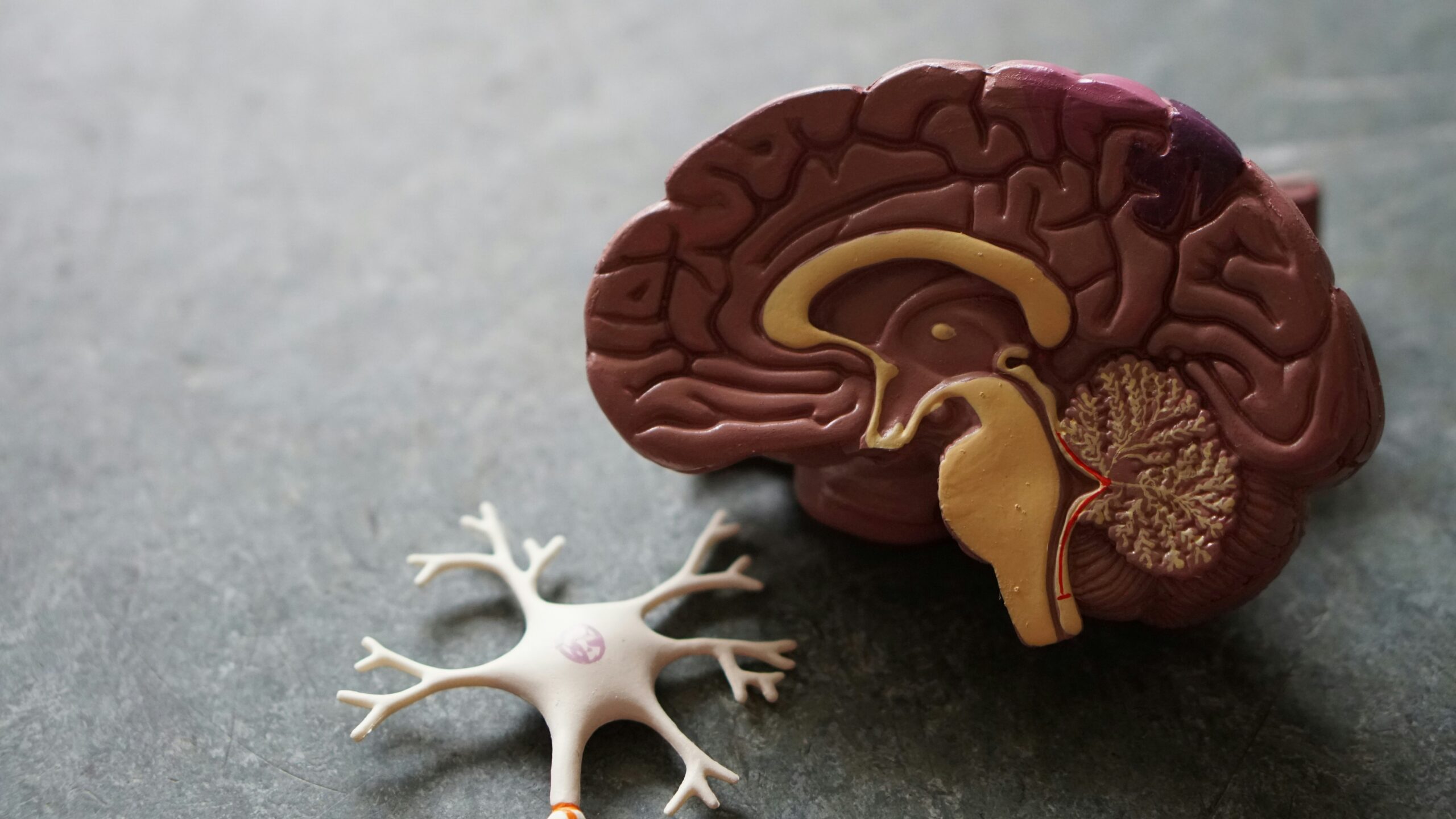
Brain health tests available at Restore
APOE Test
The APOE test for brain health can provide valuable insight into a person’s genetic risk factors related to cognitive decline and memory concerns. This information may help guide a more proactive approach to prevention and long-term brain health.
Brain-derived pTau
Brain-derived pTau testing is a specialised blood biomarker that can help assess changes linked to Alzheimer’s disease-related neurodegeneration. It may support earlier risk assessment and a more personalised approach to cognitive health.
Homocysteine, B12, folate, and lipoprotein testing
Homocysteine, B12, folate, and lipoprotein testing can provide important clues about brain health by helping identify nutrient imbalances, methylation issues, and cardiovascular factors that may affect memory and cognitive function.
Neurocognitive testing
Neurocognitive testing for brain health is a valuable way to assess memory, attention, processing speed, and other aspects of cognitive function that may be affected by stress, aging, or underlying health concerns.
Hereditary brain disease testing
Hereditary brain disease testing can help identify inherited genetic factors that may increase the risk of conditions affecting memory, movement, thinking, and overall cognitive health.
AI brain MRI
AI brain MRI testing can help detect subtle structural changes in the brain earlier and support a more precise approach to assessing cognitive health.
What treatments can help improve brain health?
Once we have a clearer understanding of what may be contributing to brain health decline, we can build a treatment plan designed to support better energy, sharper thinking, and long-term cognitive health. Treatments available to improve brain health may include personalised lifestyle changes, nutritional support, stress management, better sleep, and targeted functional medicine strategies that address root causes such as inflammation, hormone imbalance, blood sugar instability, and nutrient deficiencies.
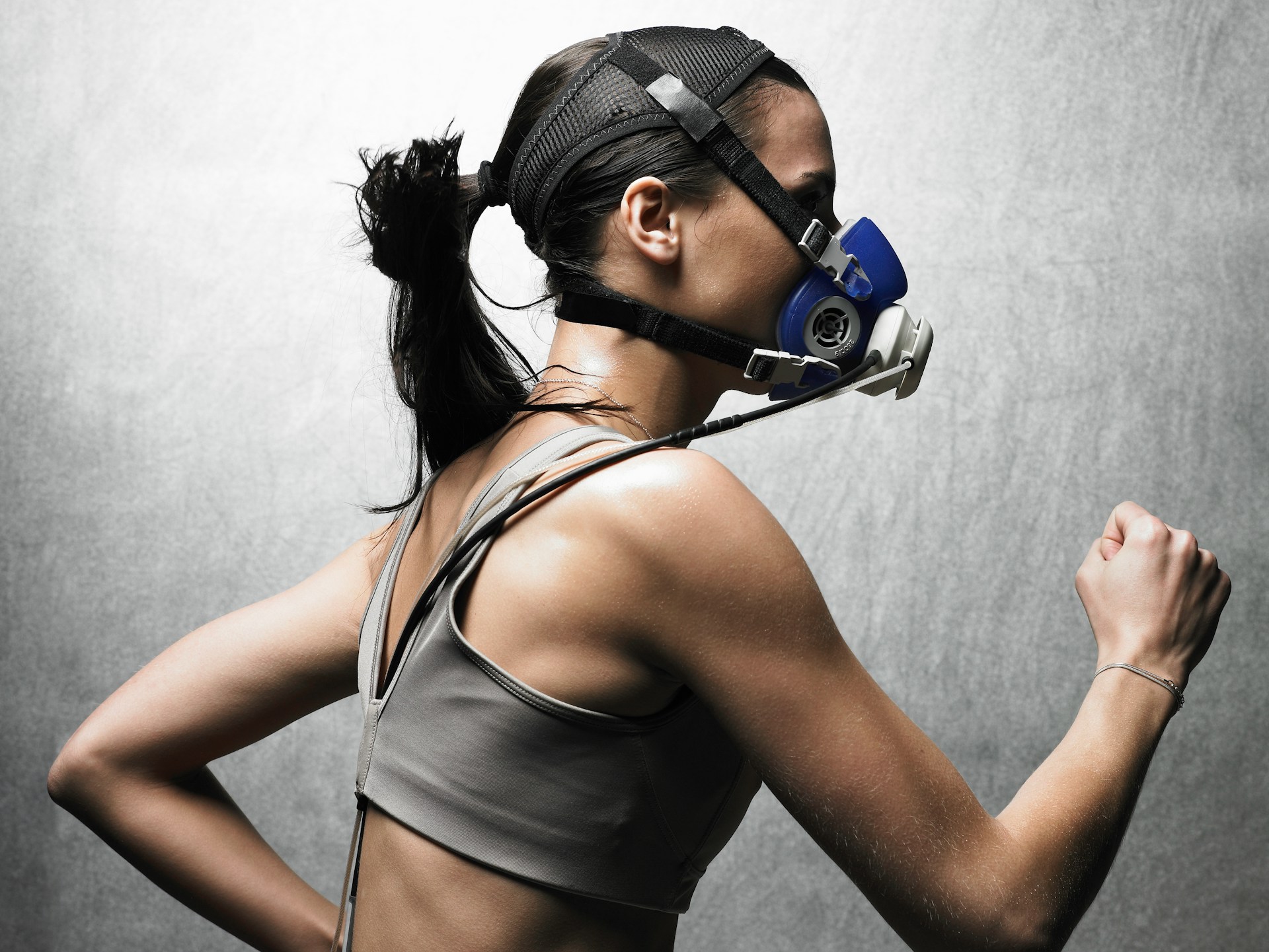
Therapies that support brain health
Hyperbaric Oxygen Therapy for Brain Health
Hyperbaric oxygen therapy, or HBOT, is a treatment in which you breathe 100% oxygen inside a pressurised chamber, allowing your body to absorb more oxygen than it can under normal air pressure. This therapy may support brain health by increasing oxygen delivery to the brain, which can help promote better blood flow, reduce inflammation, and support cognitive function, mental clarity, and overall neurological recovery.
Photomodulation bed with PEMF and Hydrogen for Brain Health
The Ammortal Chamber is a multi-technology wellness pod that combines red and near-infrared light therapy, PEMF, vibroacoustic therapy, guided breathwork, and molecular hydrogen in one reclined session. This therapy may support brain health by combining light therapy, PEMF, hydrogen inhalation, and relaxation-focused inputs that are intended to reduce inflammation, improve circulation, lower oxidative stress, and calm the nervous system.
NeuroVIZR for Brain Health
NeuroVIZR is a light-and-sound brain wellness device that uses guided sensory sessions, including some optimised around 40 Hz stimulation. This brain wellness device may support brain health by helping shift the brain into states associated with relaxation, focus, sleep readiness, and cognitive flexibility.
DDROBOTEC Brain and Coordination Exercise for Brain Health
DDROBOTEC Brain and Coordination Exercise is a robotic, interactive training system that combines cognitive tasks with lower-body movement to challenge coordination, attention, memory, and strength at the same time. It may support brain health by combining physical movement with cognitive tasks, which can stimulate attention, memory, coordination, and executive function while helping users stay consistent with exercise that supports cognitive fitness, balance, and walking speed.
NAD IV Therapy with Glutathione for Brain Health
NAD IV therapy with glutathione is an intravenous wellness treatment that combines NAD+, a coenzyme involved in cellular energy production and DNA repair, with glutathione, the body’s main antioxidant for protecting cells from oxidative stress and supporting detoxification. It may support brain health by helping improve cellular energy, reduce oxidative stress, and support mental clarity and focus.
About Restore Brain Recovery & Resilience Program
At Restore, we believe cognitive decline is not an inevitable part of aging. Our Brain Recovery & Resilience Program combines biomarker testing, metabolic optimisation, and targeted therapeutics to help address brain fog, poor focus, and memory concerns while supporting long-term cognitive health. By pairing personalised diagnostics with advanced therapies, we aim to help patients protect brain function, improve mental performance, and support healthier aging.

Taking the next step
If brain fog, forgetfulness, or reduced mental clarity are affecting your daily life, it may be time to look deeper into what is driving these symptoms. A functional medicine approach can help uncover potential causes and create a more personalised path toward better brain health. With the right testing, support, and treatment plan, it is possible to take a proactive step toward clearer thinking and stronger cognitive function.
If you are interested to learn more about our brain health program, please make an appointment with our health coach here.
Read more about brain health here:
Written by:
Vera Coetsee, Certified Holistic Nutritionist, C.H.N
References:
Kverno, K. “Brain Fog: A Bit of Clarity Regarding Etiology, Prognosis, and Treatment.” Journal of Psychosocial Nursing and Mental Health Services (2021). PMID: 34714198.
https://pubmed.ncbi.nlm.nih.gov/34714198/
Mota, et al. “Efficient assessment of brain fog and fatigue.” PMC / NIH (2023).
https://pmc.ncbi.nlm.nih.gov/articles/PMC10712873/
Smith, R. et al. “Feasibility of a Functional Medicine Approach to Slowing Cognitive Decline.” Integrative Medicine (2019)
https://www.lidsen.com/journals/icm/icm-04-03-054
“Nutritional Approaches to Managing Brain Fog.” PMC / NIH (2026)